About Floor Jacking Services for Property Owners
This page helps property owners learn about floor jacking services and connect with local contractors who provide this work.
- - Residential homeowners seeking to elevate their vehicles for maintenance or repairs.
- - Auto repair shops and service centers requiring reliable jacking solutions for vehicle servicing.
- - Commercial property managers needing efficient floor jacking services for fleet upkeep or facility maintenance.
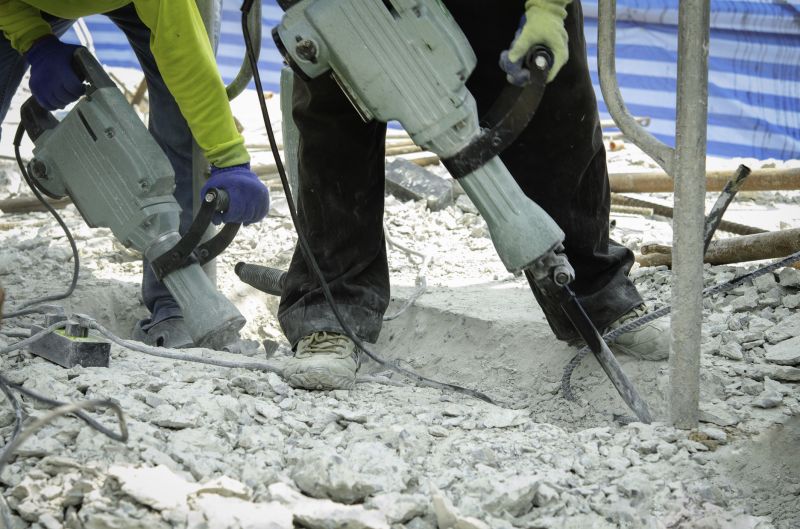
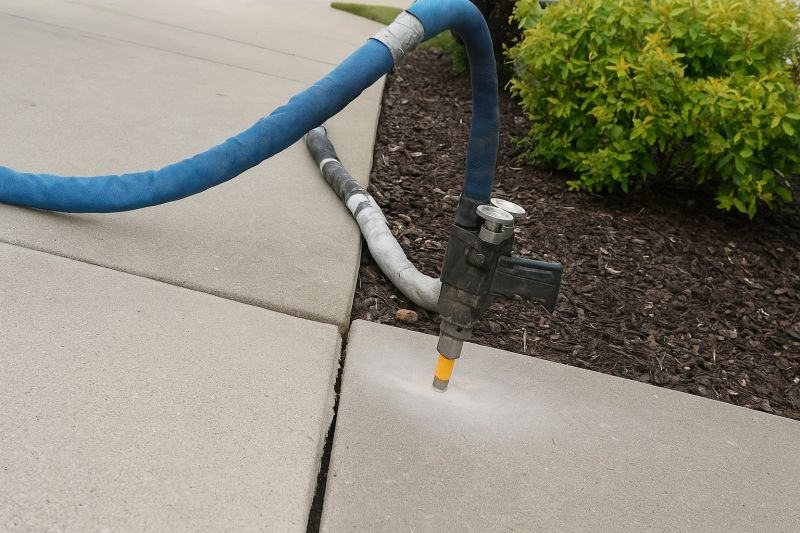
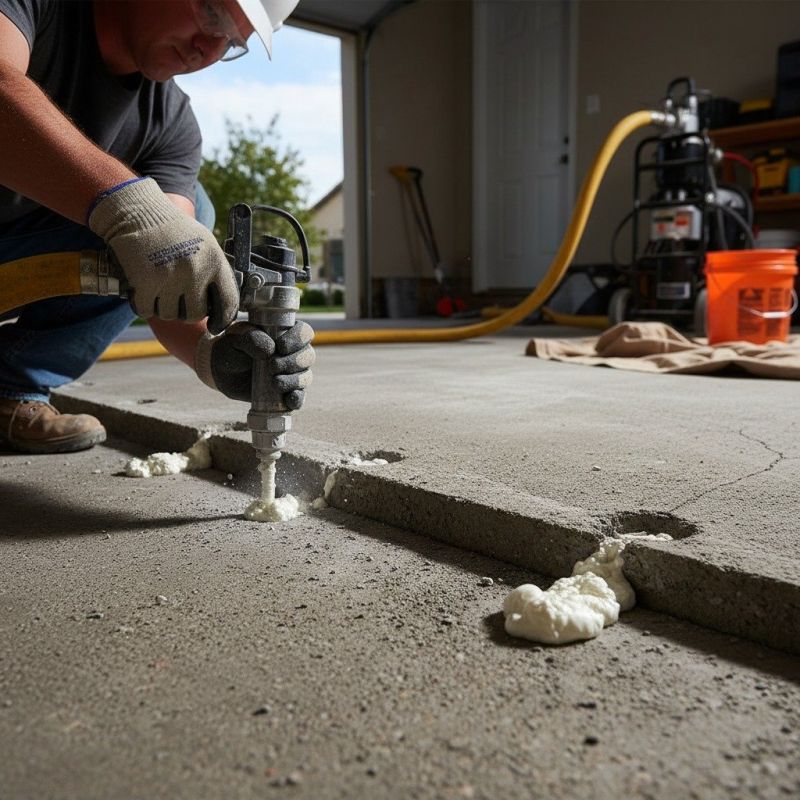
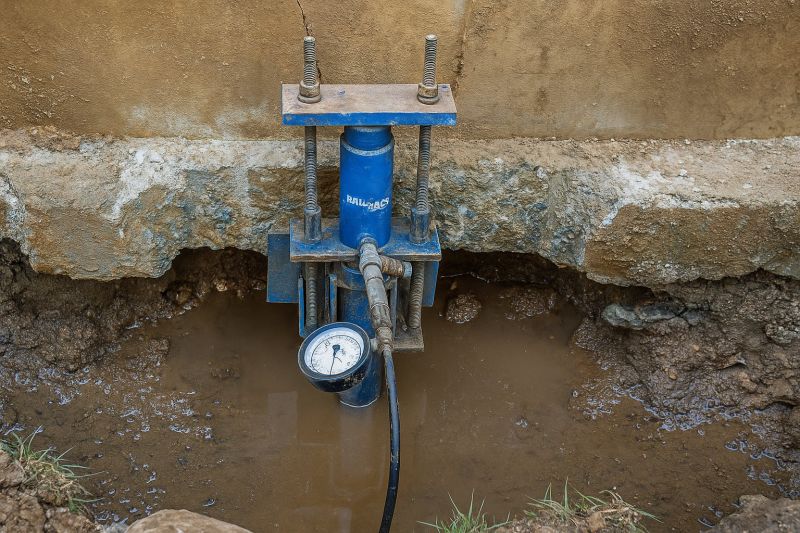
Floor jacking services involve the lifting and leveling of vehicles to facilitate maintenance, repairs, or tire changes. Property owners who experience uneven or sagging floors, or who need to lift heavy equipment or machinery, often seek assistance from local contractors specializing in this work. These professionals typically use specialized equipment to safely elevate structures or vehicles, ensuring stability and proper alignment. People looking for floor jacking services can expect to find experienced local service providers capable of handling a variety of lifting tasks with attention to safety and precision.
Local contractors offering floor jacking services are equipped to address a range of needs, from residential foundation adjustments to automotive lifting. They understand the importance of proper technique and equipment use to prevent damage and ensure secure lifting. Property owners can contact these service providers to discuss their specific requirements, whether it’s for structural repairs, vehicle maintenance, or other lifting needs. Connecting with local pros enables access to knowledgeable professionals who can deliver effective solutions tailored to each situation.
This guide provides helpful information to compare and evaluate nearby service providers specializing in floor jacking. It aims to assist in understanding the basics of the job and identifying reputable local contractors. The goal is to support informed decisions when connecting with professionals in the area.